



Boost Your Home’s Appeal Fast Without Costly Renovations
By Guest Contributor: Natalie JonesJune 30, 2026
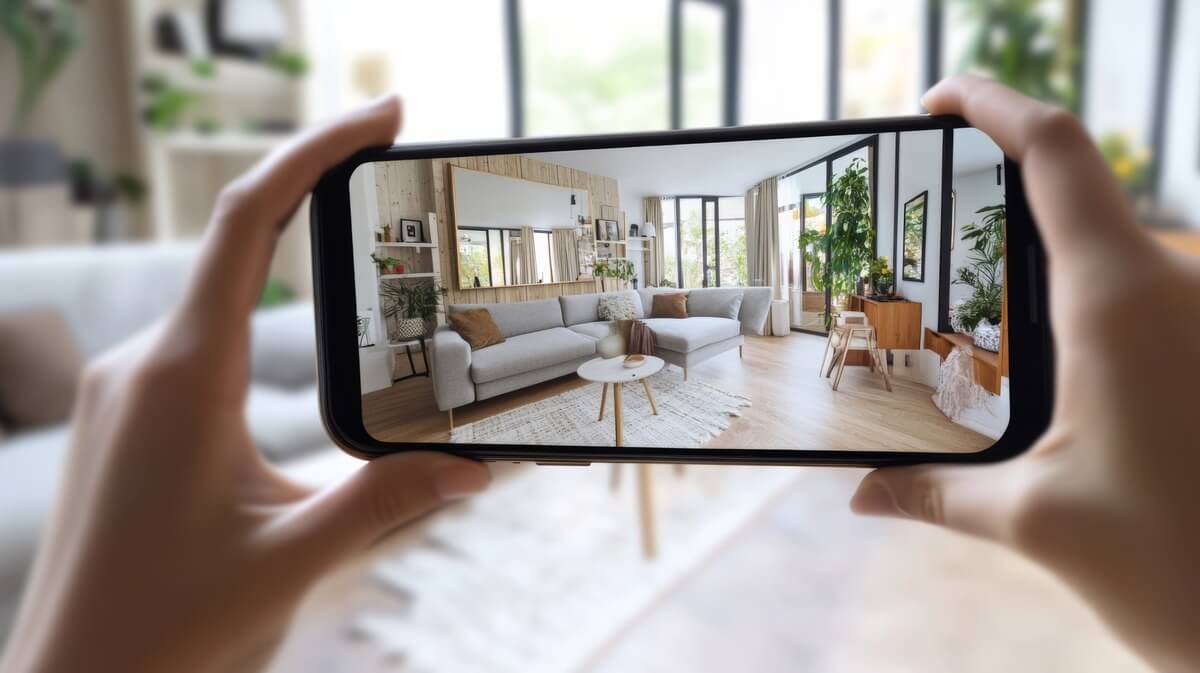
First impressions are critical when selling a house. This comprehensive guide will help you boost your home's appeal fast without costly renovations.
For homeowners
preparing to sell, the biggest challenge often isn’t increasing home value,
it’s deciding whether expensive upgrades are truly necessary to attract serious
offers. Buyers rarely experience a home as a spreadsheet of improvements; they
react to buyer first impressions that quickly shape perceived home value. When
home presentation importance gets underestimated, even well-maintained spaces
can feel overpriced next to better-presented competition. The strongest real
estate selling strategies start by controlling what buyers notice and how the
home feels from the first moment.
Understanding Buyer Perception
and Staging
Buyer perception
is less about what you spent and more about what people notice and feel in
minutes. First impressions anchor a buyer’s mental price range, then every room
either supports that story or fights it. Home staging works because it removes
distractions and helps buyers picture a real life there.
This matters
because the fastest route to stronger offers is often clarity, not
construction. When staging makes it easier for buyers to
visualize the home, hesitation drops and interest rises. Many sellers also care
about return, and a 1% to 10% increase can beat the payoff of
pricey upgrades.
Think of it like
a job interview outfit versus a new degree. The degree matters, but the outfit
decides whether you get a second look. A clean entry, bright lighting, and
simple furniture layout can create that “this feels right” moment. That mindset
makes it easier to test presentation choices with AI virtual staging before
spending a dollar.
Mock Up Staging Ideas With AI
Before You Spend a Dollar
Because staging
is really about how a space reads at first glance, it helps to preview
different looks before you move a single piece of furniture. AI
image-generation tools let you visualize low-cost presentation improvements,
like decluttering choices, simple décor shifts, or alternate room layouts, before
you commit time or money. With a text-to-image tool, you can generate AI images
from written descriptions of your room and the changes you’re considering, then
create multiple variations to compare which direction feels most inviting and
buyer-friendly.
As you refine the
results, you can adjust details that influence perception: style (modern,
traditional, minimalist), lighting (bright daytime vs. warm evening), color
palette, overall mood, composition, and even incorporate reference images to
steer the output toward your home’s real proportions and features. Tools such
as the Adobe Firefly AI photo creator make it easy to
iterate quickly, so you can test “what if” scenarios, like swapping a bold wall
color for a neutral tone or shifting the layout to open up sightlines, without
paying for new pieces or major updates.
A Budget-Friendly Upgrade Plan
Buyers Notice
Before you spend
a dollar, use the AI mockups you created to pick one clear “look” to execute,
then tackle the real-world upgrades that make the biggest difference in photos and
showings.
- Reset curb appeal in one afternoon: Mow,
edge, weed, and refresh mulch in visible beds first (front walk, porch,
and the 5–10 feet closest to the entry). Power-wash the front steps and
driveway edge, then clean the front door and hardware. Buyers read
“maintenance” from the outside, so small, tidy touches often outshine
bigger projects.
- Paint only where it changes the whole feel: Skip repainting every room; target high-visibility walls, scuffed
baseboards, and the entry/hallway where first impressions form. Stick to a
neutral, consistent palette across connected spaces so rooms feel larger
and more cohesive, your AI color-scheme mockups can help you choose
confidently. Patch nail holes, sand rough spots, and keep a wet edge for a
clean finish; good prep is what makes “budget paint” look expensive.
- Upgrade lighting for brightness and consistency: Replace mismatched bulbs so the whole home reads the same
temperature (warm-white for living areas is a safe bet) and aim for
similar brightness in adjacent rooms. Clean glass shades, dust ceiling
fans, and swap outdated fixtures in key areas like the entry or dining
nook if they’re easy installs. Good lighting makes spaces feel larger,
improves listing photos, and highlights the upgrades you’ve already made.
- Make space with layout edits, not new furniture: Use your AI layout tests as a blueprint, then edit the real room
by removing one oversized piece per main area. Create clear walking paths,
about 30–36 inches where people naturally pass, and “float” furniture a
few inches off walls when it improves flow. Buyers don’t measure rooms;
they react to how easily they can move through them.
- Modernize kitchens and baths without remodeling: Replace dated cabinet pulls, add a fresh bead of caulk where it’s
cracked, and deep-clean grout (or use a grout pen for stubborn
discoloration). Update the showerhead or faucet only if the existing one
is leaky or visibly worn, function issues feel bigger than cosmetic ones.
Finish with one simple styling moment: a neutral towel set, a clean soap
dispenser, and a clear counter.
- Do a “silent inspection” and fix the obvious: Walk the home and listen: squeaky doors, loose handles, rattling
vents, and sticking windows create doubt about bigger hidden problems.
Tighten hardware, lubricate hinges, replace burned-out bulbs, and touch up
trim where it’s chipped. A practical guideline for planning these simple
maintenance tasks is that 1% to 3% of your home’s purchase price
annually often goes toward upkeep, so prioritize the fixes buyers notice
fastest.
- Create a clean, predictable “showing routine”: Put everyday clutter on a one-basket-per-room rule, keep counters
mostly clear, and set a 10-minute reset checklist (open blinds, turn on
key lights, wipe sinks, take out trash). Add one subtle scent strategy,
fresh air and a clean filter to beat heavy sprays. When your home shows
consistently well, buyers focus on the space, not distractions.
Home-Selling Prep Questions,
Answered
Q: What if I
can’t afford staging or new decor?
A: Focus on what you already own: remove extras, group items in threes,
and keep surfaces mostly clear. Staging is more about editing than buying, and home staging often helps buyers imagine living
there.
Q: How do I
know which fixes actually pay off?
A: Choose improvements that show up instantly in photos and during a
walkthrough: clean, light, and well-maintained. Prioritize anything that looks
broken or neglected, then spend time on paint touch-ups and lighting
consistency.
Q: When should
I stop improving and just list?
A: Stop when the home feels cohesive, functional, and easy to show on
short notice. If you are starting new projects that will not be finished in a
week, you are probably past the highest impact zone.
Q: What do
buyers expect even in a “starter” home?
A: They expect basics to work: doors close smoothly, lights turn on,
faucets do not drip, and the home smells clean. Buyers will forgive dated
finishes faster than they forgive signs of deferred maintenance.
Q: Can staging
really speed up the sale or is that hype?
A: It can, especially online where first impressions happen fast. Some
data suggests 73% less time on market for staged homes, and
even modest staging efforts can improve showing traffic.
Three Small Updates That Help
Buyers Say Yes Faster
Getting a home ready to sell can feel like a
tug-of-war between limited time, limited budget, and high buyer expectations.
The most reliable path is strategic home preparation: focus on maximizing home
appeal through smart staging decisions and effective presentation techniques
rather than costly renovations. When that focus is consistent, the space reads
cleaner, brighter, and more cared for, which supports smoother showings and
stronger home sale success. Small, focused changes make buyers feel confident,
and confidence sells.