



How to Safely Buy Property in Costa Rica
By Michael KriegJuly 27, 2026
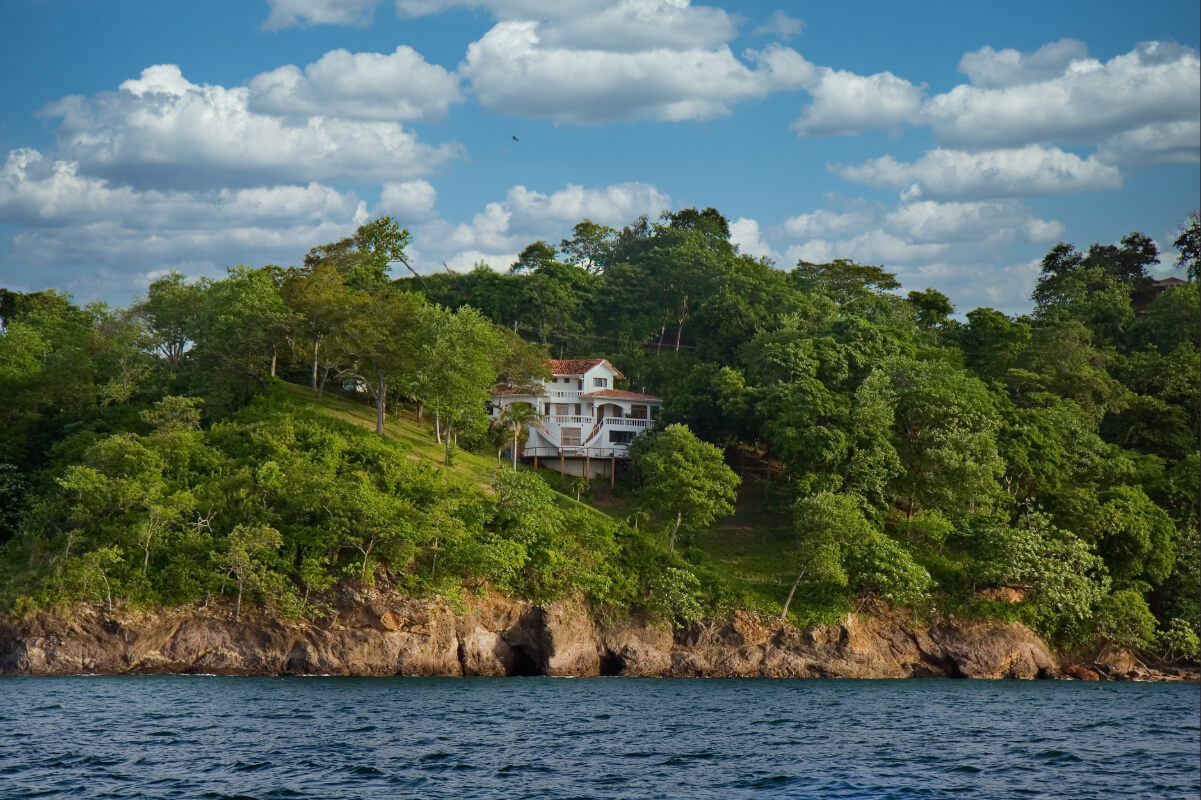
Costa Rica property expert, Michael Krieg, explains the risks of Costa Rica's unregulated real estate market and how buyers can protect themselves.
Costa Rica has long been a dream destination for
expatriates, retirees, and investors alike. Its stunning natural beauty, stable
democracy, and relatively affordable cost of living make it an attractive place
to buy property. However, beneath the surface of this tropical paradise lies a
real estate market that is surprisingly unregulated and that reality poses
significant risks for buyers.
No Oversight, No Licensing: A Unique Challenge
Unlike many countries with established real estate
frameworks, Costa Rica has no formal government oversight or licensing
requirements for real estate agencies. This means that anyone can operate as a
real estate agent or broker without meeting professional standards or
regulatory scrutiny. This lack of oversight creates a marketplace where
transparency and accountability are often missing.
Adding to this complexity, many well-known international
real estate brands operating in Costa Rica are not locally licensed companies.
Instead, they function as franchises; essentially independent businesses that
use a recognized brand name but do not hold a local license to conduct real
estate transactions. While these franchises may offer a semblance of
professionalism and brand trust, buyers should be aware that Costa Rican
authorities do not regulate them as real estate brokers.
The Social Media Mirage: Inflated Prices and Lack of Disclosure
In recent years, social media platforms like Facebook have
become popular venues for advertising properties in Costa Rica. While this can
increase exposure and convenience for buyers, it also introduces new risks.
Many listings on social media showcase properties at prices significantly above
their actual market value. These inflated prices are often presented without
any disclaimers or detailed information about the property’s condition, legal
status, or ownership.
The absence of clear disclosures means buyers may be misled
about what they are purchasing. Unlike traditional real estate listings, which
typically include verified information and legal documentation, social media
posts can be created by anyone; from licensed agents to private sellers or even
scammers. This environment makes it difficult for buyers to conduct due
diligence and verify the legitimacy of a property or the credibility of the
seller.
No Financing Options: Cash is King
Another important consideration for buyers in Costa Rica is
the lack of financing options for property purchases. Unlike in many countries
where mortgages and loans are readily available, Costa Rica’s real estate
market largely operates on a cash basis. This means buyers need to have the
full purchase price available upfront, which can be a barrier for many and
limits the pool of potential buyers.
The absence of financing also means there is less
institutional oversight in the transaction process. Banks and lenders in other
countries typically require thorough property appraisals, legal checks, and
insurance before approving a mortgage. Without these checks, buyers in Costa
Rica must be extra vigilant to avoid pitfalls such as title disputes, liens, or
properties with unclear legal status.
What Can Buyers Do to Protect Themselves?
Given these challenges, potential buyers in Costa Rica
should take several precautionary steps to protect their investment:
Hire a Reputable Attorney: Engage an independent,
bilingual Costa Rican attorney who specializes in real estate. They can conduct
title searches, verify ownership, and ensure that all legal documents are in
order.
Conduct Independent Market Research: Don’t rely
solely on social media listings or franchise agents. Compare prices from
multiple sources and consult local experts to understand true market values.
Avoid Rushing into Purchases: Take the time to visit
properties in person, if possible, and verify all claims made by sellers or
agents.
Understand the Payment Process: Since financing is
rare, be prepared to pay in cash or arrange international transfers carefully.
Use escrow services or trusted intermediaries to safeguard funds during the
transaction.
Be Wary of Red Flags: Overpriced listings, sellers
unwilling to provide documentation, or pressure to close quickly are all
warning signs.
Related articles:
Michael Krieg Sells the Largest Contiguous Tract of Land in Costa Rica