



How to Start and Profit from Your Own Small Farm
By Guest Contributor: Natalie JonesApril 01, 2026
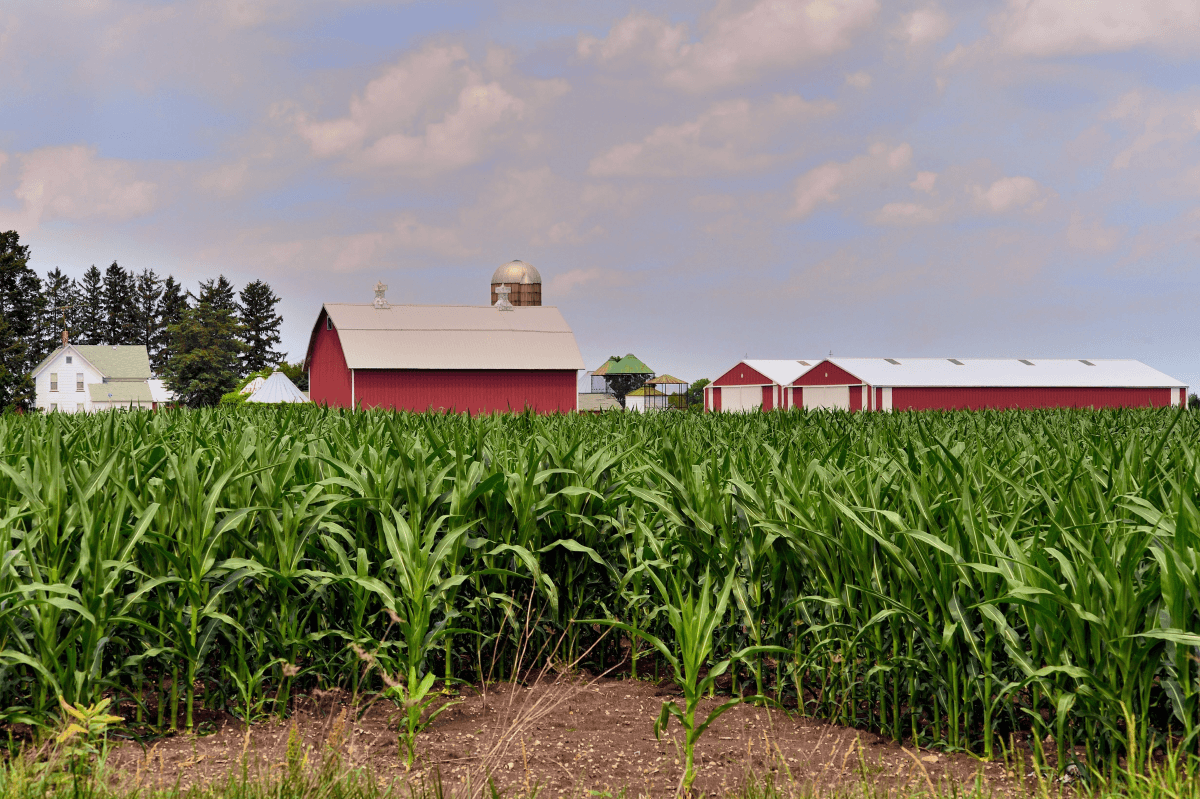
Discover how to add more income without adding more acres with this comprehensive guide on how to start a profitable farm.
For new small farm owners and beginner farmers shopping
rural property with big hopes and a real budget, starting a small farm can feel
like a simple dream right up until the first hard decisions show up. The core
tension is that small farming offers freedom and income potential, but the
challenges of small farming, time, cash flow pressure, steep learning curves,
and land-specific surprises, can quietly overwhelm even motivated buyers.
Getting clear on small farm goals before any money changes hands is what
separates a satisfying farm life from an expensive, stressful experiment. The
opportunity is real, and so are the tradeoffs.
Quick Summary: Starting a Profitable Small Farm
·
Start by evaluating land options and acquisition
basics that fit your farm goals.
·
Start with a small farm business overview to
clarify your plan, priorities, and early decisions.
·
Start by learning small farm financial basics to
budget, price, and manage cash flow.
·
Start by choosing farm monetization strategies
that match your land, time, and market demand.
Build Your Small Farm Plan From Land to First Harvest
This process helps you choose the right rural property, buy
it responsibly, and set up a beginner-friendly farm plan that can cash-flow
without taking over your life. It matters for country and recreational real
estate buyers because the "right" land and financing choices protect
your investment even if your first season is small.
1.
Choose a location that matches your farm
goal
Start with what you want the property to do: weekend
production, a future homestead, or an income add-on to a recreational tract.
Then confirm basics that drive success, including road access for deliveries,
reliable water, usable acreage (not all woods or steep ground), and proximity
to customers or a buyer.
2.
Buy farmland like an investor, not a
dreamer
Request boundaries, easements, and current-use details early
so you know what you can actually farm and where you can build or park
equipment. Walk the land after rain if possible to spot drainage issues, and
make sure the parcel layout fits your first-year scale, such as a small field
near water and storage.
3.
Compare financing based on risk and
flexibility
Compare at least three paths side by side: conventional land
loans, farm-focused lenders, and seller financing if the terms are clean.
Underwrite your payment using conservative numbers so the property still works
if your first crop is late, prices dip, or you decide to lease part of the land
instead of farming it immediately.
4.
Buy equipment that supports your first 90
days
Make a short list of must-do tasks: mow, move materials,
prepare beds, irrigate, and haul harvest, then buy only what directly enables
those tasks. Consider renting or hiring out the biggest jobs (initial clearing,
major earthwork) so your cash goes to tools you will use weekly, not once a
year.
5.
Build a simple crop plan you can manage
Choose one main crop and one backup crop, then map them to a
realistic area and schedule you can handle with your available time. A concrete
planning reference like the expected
yield per plant table helps you estimate how much to plant, how much you
might harvest, and how much space and labor you will need.
Add 10 Extra Income Streams Without Growing More Acres
If your farm plan (and your budget) assumes "one crop =
one paycheck," a bad season can hit hard. Farm income diversification is
how you keep cash coming in without buying more land or running yourself
ragged.
1.
Lease what you're not using (and keep
control): Start with leasing farm land for the parts you don't need for
your first-year crop plan, back pasture, a hay field, extra barn bays, or even
equipment storage space. A simple seasonal lease can turn "idle" into
income while you focus on your first harvest. Write down boundaries, access
days, and who handles fences/water so the arrangement stays friendly.
2.
Sell access, not animals: hunting and
fishing day-use passes: If your property has woods, water, or good habitat,
consider day passes, a small annual membership, or a short-term hunting lease.
This is alternative farm revenue that doesn't require planting more acres, just
clear rules, marked boundaries, and a basic check-in process. Keep it
beginner-simple: one species/season to start, one price, and a written waiver.
3.
Add small farm beekeeping for honey and
pollination: Two to four hives can fit on many small farms and pair well
with orchards, gardens, and wildlife plantings. You can sell honey, beeswax
products, and even "hive sponsorships" where locals prepay and pick
up jars later. Start by placing hives near water and out of high-traffic areas,
then plan your first extraction after you've stabilized your basic fieldwork
schedule.
4.
Create one "signature" agritourism
weekend per month: Good agritourism ideas don't have to be complicated,
think u-pick flowers, a pumpkin patch with a photo spot, a farm trail walk, or
a "meet the animals" open barn hour. Build it like you built your
farm plan: pick one date, one attraction, one staffing plan, and cap tickets so
it stays manageable. The fact that 50%
of the survey respondents reported no plans to grow or plan to exit/retire
is a good reminder that you can improve cash flow without expanding acres.
5.
Host small farm events (micro, not massive):
Farm event hosting can be as small as a 20-person workshop, a farm-to-table
supper with a local chef, or a "photography hour" at golden light.
The trick is choosing an area you can control, parking, bathrooms, noise, and a
bad-weather backup (even if it's "reschedule"). Price it to cover
setup time, portable restrooms if needed, and extra liability coverage.
6.
Turn your barn or shop into a light
manufacturing corner: Pick one product line that uses your existing land
outputs: firewood bundles, dried herbs/tea blends, smoked salt, jams, or
cut-flower bouquets. Make it batch-based: one production day per week, one
delivery/pickup day, and a simple preorder list. This pairs nicely with your
equipment budget, small tools you already own can often handle early batches.
7.
Try a "small-footprint" grow space
for premium crops: If you're short on acreage but have a shed, greenhouse,
or insulated room, you can test microgreens, mushrooms, seedlings, or specialty
greens. One reason this idea keeps popping up is the USD
39.20 billion by 2033 projection for the vertical farming market, which
signals strong demand for controlled-environment produce. Start with one crop,
one buyer type (restaurants, farmers markets, or a weekly subscription), and
track true costs like electricity and packaging.
The common thread: pick one add-on that fits your land
layout, your time budget, and your comfort with people on-property. When you're
ready to commit, you'll want clean paperwork, leases, waivers, and simple
checklists, so every new income stream stays easy to manage.
Common Small-Farm Questions, Answered
Q: What are the most important factors to consider when
choosing land for starting a small farm?
A: Focus on water, access, and how the land lays out,
since those affect costs fast. Walk the property after rain if possible, check
utility availability, and confirm legal access, zoning, and any easements.
Choose a place with at least one "easy win" area you can use in year
one.
Q: How can I plan crop production effectively to reduce
uncertainty and maximize success?
A: Start with one or two crops that match your time,
soil, and local demand, then build a simple planting calendar with buffer
weeks. Pre-sell where you can through subscriptions or standing orders to
reduce guesswork. Track yields and true costs each week so you can adjust
early.
Q: What are practical ways to finance the purchase of a
small farm without feeling overwhelmed?
A: Treat it like a business purchase: set a maximum
all-in monthly payment that includes repairs, insurance, and a reserve. Ask
lenders about loan options for rural property and compare terms side by side in
a one-page summary. Keep a document checklist (IDs, tax returns, bank
statements, property disclosures) and standardize file names so approvals move
faster.
Q: How can I market my small farm to attract buyers and
create steady income streams?
A: Pick one clear offer and one primary channel
first, like a weekly pickup, farm stand, or a few repeat wholesale accounts.
Use consistent photos, pricing, and a simple order process, then collect emails
or texts at every sale. Keep agreements and waivers tidy by converting quotes,
leases, and forms into shareable PDFs with a free PDF
conversion tool.
Q: How can I manage the financial aspects when turning a
small farm hobby into a profitable side venture?
A: Separate finances early: a dedicated bank account,
basic bookkeeping, and a monthly "profit check-in" makes decisions
calmer. Start with a small budget for inputs, then reinvest only after you
prove demand and margins. Price with your time included, not just materials, so
growth actually helps.
Turn Beginner Planning Into a Profitable Small-Farm Start
It's easy to feel stuck between the dream of land and the
reality of budgets, paperwork, and not knowing what matters first. The path to
starting a profitable small farm is simpler than it looks: steady beginner farm
planning, clear records, and small decisions that reduce risk instead of
guessing. When that approach is in place, confidence grows, financing and
property choices get clearer, and the work starts to feel doable week by week.
Small wins, repeated, are what turn a farm idea into income. Choose one next
step today, tour a short list of properties or sketch a starter production plan
that matches the land and your time. That's the kind of farm startup
encouragement that builds real resilience, pride, and connection to the place
that feeds you.
Related Articles:
Considering
Soil Quality and Water Availability for Farming
Navigating
Price and Terms in Farm Property Purchase with Your Real Estate Agent
Are
American Farms Disappearing and Will Government Subsidies Help Them Stay Afloat