



What Can You Do with An Acreage? Ways to Optimize 1, 5, 10, 20, and 100 Acres
By United Country Real EstateNovember 02, 2026
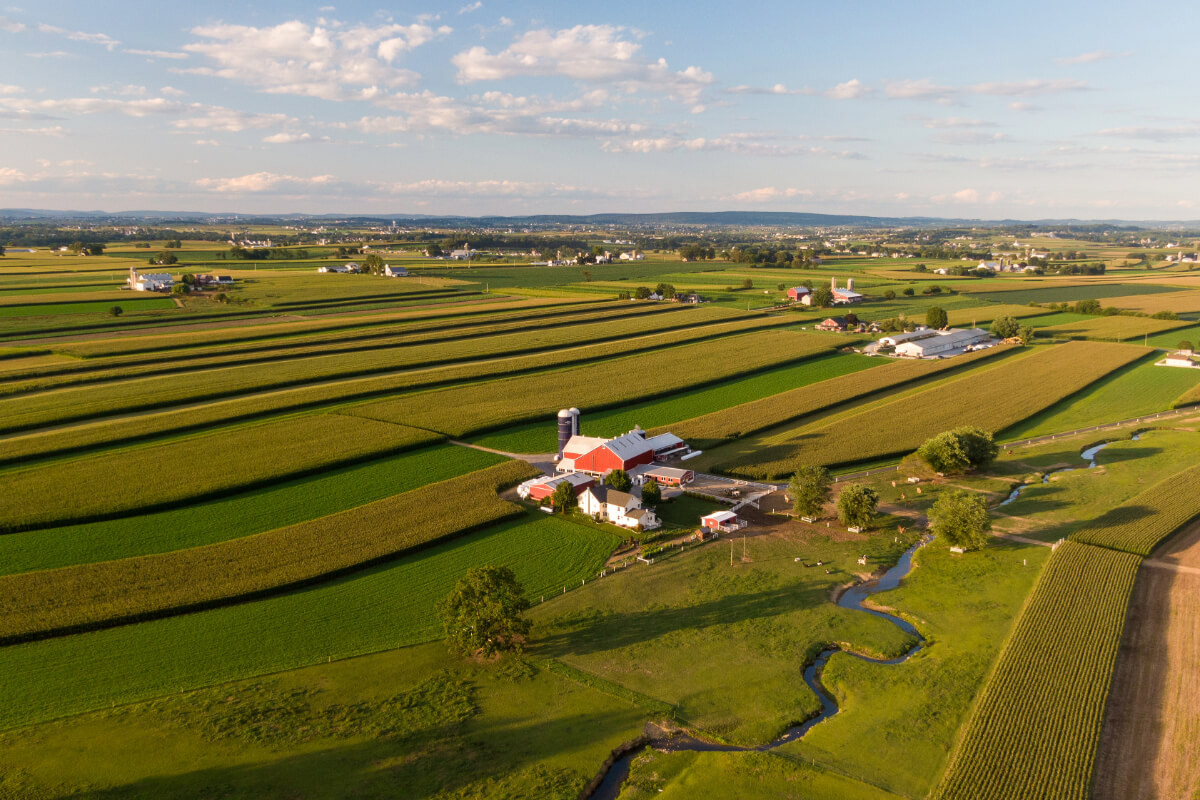
Explore practical ways to use 1, 5, 10, 20 or 100 acres for a country home, homestead, hobby farm, recreation, livestock or a working land property.
For some real estate buyers, one acre offers all the extra
space they have been searching for. Others picture five acres and imagine a
country home with a big garden, workshop, and room for a few animals. Some are
seeking 20, 50, 100, or beyond with land and opportunities stretching in all
directions.
There isn’t a “one size fits all” for acreages. Factors like
your lifestyle, location, budget, and accessible amenities all play a large
role in what acreage size fits best for you. Even more so, the same number of
acres can function completely differently than from property to another. 10
fertile acres on a farm in southern Missouri will have an entirely separate use
than 10 acres of mountain desert in New Mexico. Or a smaller number of acres
can hold even more utility than a larger property. Five open, level acres may
offer more usable space for a particular goal than 20 steep, heavily wooded, or
wet acres.
How much land do you need to optimize your lifestyle?
What you can do with land depends on where it’s located, its
terrain, soil, access to water, improvements, local regulations, and, most
importantly, what you want from the property. Buyers should check with the USDA Natural Resources Conservation
Service’s Web Soil Survey to learn about the soil information as they cover
more than 95% of the counties across the U.S., which can help landowners
evaluate soil suitability for particular uses, although the agency notes that
some uses require an onsite investigation.
Whether you’re dreaming of a little more breathing room or
enough land for a working farm, considering how you want to use your acreage
can help determine how much property makes sense. So, what can you actually do
with 1, 5, 10, 20, or even 100 acres of land?
A Quick Comparison: What Different Acreage Sizes Can Offer
Acreage range uses are best when considered as a guide
rather than a guarantee. Livestock capacity, crop potential, building options,
and business uses vary greatly by climate, soils, water, topography,
regulations, and management.
|
Acreage |
Often Fits |
Potential Uses |
Plan For |
|
1 acre |
More outdoor space without full-scale land
management |
Garden, workshop, play area, small orchard, outdoor
living |
Setbacks, septic area, drainage, neighborhood rules |
|
5
acres |
A
country home or small homestead |
Larger
garden, orchard, chickens or small livestock where allowed, barn or
shop |
Fencing,
water, pasture quality, animal regulations |
|
10 acres |
A more flexible hobby farm or recreational property |
Multiple pastures, horses or livestock where suitable,
trails, habitat, market garden |
Carrying capacity, equipment, maintenance time,
access |
|
20
acres |
A small
farm, equestrian property or mixed-use retreat |
Pasture
rotation, hay ground, larger orchard, hunting or recreation, expanded
outbuildings |
Land-use
plan, road and utility costs, conservation needs |
|
100 acres |
A working farm, ranch, timber or legacy property |
Commercial agriculture, grazing, timber, wildlife
management, leases, multi-generational uses |
Business plan, infrastructure, taxes, insurance,
professional land management |
The most useful question is not simply “How many acres is
it?” but “How many acres can support the way I want to use the property?”
What Can You Do with 1 Acre of Land?
One acre is 43,560 square feet in total, but the home,
driveway, septic area, and landscape can reduce the amount of land that is
available for adaptation and other uses. Regardless, a well-planned area can
feel quite spacious, especially for buyers moving from a smaller city or
suburban area.
A one-acre property is often a strong fit for buyers who are
seeking more privacy and flexibility without taking on extensive land
management and a large costs. It can provide enough room to create distinct
outdoor areas, like a firepit or pool, while keeping mowing, fencing, and
general maintenance manageable.
Ideas for Optimizing 1 Acre
· Create a productive kitchen garden with raised
beds with space for compositing and herbs, vegetables, or flowers.
·
Plant a few fruit trees or a berry patch
selected based on the local soil, growing climate and available sunlight.
·
Add a detached garage, studio, workshop, storage
building, or recreational vehicle parking where permitted.
·
Design an extravagant outdoor living area with a
patio, firepit, recreational space, pool, or intricate and native landscaping.
·
Keep a limited number of chickens, bees, or
small animals if local regulations and property conditions allow.
·
Use native plants, rain gardens, or butterfly
and other pollinator habitats to make areas less manicured than others more
useful and beautiful.
One acres is best for buyers seeking space for outdoor
projects and backyard without the equipment, infrastructure, and maintenance of
large-scale operations will enjoy smaller acreages.
On one acre, the layout matters most. Verify with your local
government where the property lines, easements, utilities, septic systems, and
drain fields are located before planning your next project, whether that’s a
structure, pool, garden, or area for animals.
What Can You Do with 5 Acres of Land?
Five acres of land can open up the possibilities to a true
country lifestyle or practical small homestead. There may be room to separate
the residence from the outbuildings, garden, animals, and recreation
opportunities, creating a property that offers privacy and purpose without
becoming a full-scale farm.
For many buyers, five acres provides an appealing middle
ground: enough space to customize the property and pursue the country lifestyle
and interests while still compact enough to maintain with a manageable budget,
realistic plan, and the right equipment.
Idea for Optimizing 5 Acres
·
Include a large garden, greenhouse, orchard, or
vineyard.
·
Create a fenced area for chickens, goats, sheep,
or other small livestock where zone and land conditions allow.
·
Establish walking paths, a pond with a sitting
area, native meadow, or small wildlife habitat.
·
Reserve open space for horses or other large
animals only after evaluating pasture productivity, water, and shelter.
Five acres are best for country home buyers, gardeners, hobby
homesteaders, small-scale equestrian enthusiasts, and families that want
privacy and room to roam.
It’s important not to assume all five-acre properties can
support the same type or number of animals or other commodities. Pasture
carrying capacities can change depending on rainfall, soil productivity,
forage, terrain, water, and land management. Local regulars can also be more
restrictive than the land itself.
What Can You Do With 10 Acres of Land?
Ten acres gives landowners more flexibility, allowing them
to combine passions or really expand on one goal. Properties this size can
include a country home, multiple pastures, gardens and orchards, outbuildings
and facilities, trails, and timberland. They can function as a hobby farm,
horse property, recreational retreat, or a private and spacious residence.
At this size, a land-use and management plan becomes even
more crucial. Mapping out the homesite, water, fences, driveway and roads,
growing areas, animal enclosures, and woods can prevent expensive maintenance
later on.
Ideas for Optimizing 10 Acres
·
Create multiple paddocks for rotational grazing.
·
Start a garden, nursery, greenhouse, or other
small agricultural operation.
·
Develop an equestrian setup, featuring horse
facilities, a riding arena, trail loop.
·
Add a larger workshop, barn, equipment storage,
or space for a home-based business.
·
Keep part of the tract wooded to provide
maintenance and wildlife habitats.
·
Create a man-made pond or creek.
10 acres are best for hobby farmers, equestrian buyers,
residential landowners, small-scale producers, and anyone who wants several
uses on one, single property.
This amount of land can require more equipment and labor
than new landowners expect. Consider a riding mower and mowing strategy, fence
maintenance, snow or storm access, brush control, road care, and where
equipment and machinery will be stored.
What Can You Do With 20 Acres of Land?
20 acres of land can support a substantial rural lifestyle.
Depending on the property’s natural and added features, buyers may find room
for a small farm, equestrian facilities, hay or crop ground, livestock,
hunting, timber, trails, and a pond or creek. The extra space can also provide
ample room between the main residence, working areas, and nature.
At 20 acres, the quality and layout of the land matter more
than the total. A long, narrow parcel, a property divided by a road, steep
ground, or land with limited road or other access can be less functional than a
smaller tract of land.
Ideas for Optimizing 20 Acres
·
Develop a small farm with crops, livestock,
pasture rotation, and equipment areas.
·
Create an equestrian property with multiple
pastures, barn space, riding arenas, and trails.
·
Combine open ground with woods, wetlands, and
habitat areas for a balanced recreational property.
·
Grow hay, specialty crops, fruit, flowers, or
other products suited to the region and market.
·
Explore agritourism, short-term lodging, events,
or home-based business, depending on local approvals, insurance, and
infrastructure.
·
Use conservation practices to protect soil,
water, forage, and wildlife while supporting the property’s long-term value.
A 20-acre property is ideal for small farmers, horse owners,
hunters, outdoor enthusiasts, and buyers who want property with enough space
for significant production, recreation, or income potential.
Buyers ought to be careful about how quickly infrastructure
costs can increase with 20 acres of more land. Roads, fencing, gates, wells,
water lines, power extensions, barns, and equipment may have a bigger impact on
the budget than the acreage price alone.
What Can You Do With 100 Acres of Land?
100 acres offers scale, privacy, and opportunities. Dependent
on the land composition, climate, and local regulations, a property of this
size may function as a working farm or ranch, timberland, hunting retreat,
conservation or sustainable property, development, or multi-generational legacy
tract. Real estate of this size can often support more than one use, such as
livestock grazing and hunting; cropland and timberland; or a full-time
residence and agricultural operation.
With the amount of opportunity that 100 acres offers, also
comes with new complexities. Approaching a 100-acre property with a business-minded
approach to managing the land is best even if producing income is not the
primary goal. Owners should understand carrying costs, insurances, roads and
accessibility, leases, taxes, improvements, environmental conditions, climate,
and the labor required to care for the land properly.
Ideas for Optimizing
100 Acres
·
Operate or lease ground for row crops, hay, grazing,
or other agricultural use.
·
Manage timber with a professional plan considers
species, access, harvest timing, regeneration, and long-term forest health.
·
Develop a wildlife habitat, food plots, trails,
and access for hunting, riding, or other outdoor recreation.
·
Build a ranch, horse operation, or farm with fully-equipped
facilities, fenced acres for rotational grazing, and dedicated production
outbuildings.
·
Use conservation easements, habitat programs, or
other land-stewardship tools that align with landowner goals.
·
Create a subdivision or development with careful
consideration for access, utilities, soils, market demand, approvals, and legal
restrictions.
This size of land is best for working landowners, investors,
farmers, ranchers, timberland owners, hunters, and families seeking an
operational or legacy property.
A large acreage does not automatically create income and
will take a lot of deliberate and hands-on work. The land’s potential depends
on the specific area, and any business, lease, conservation, timber, or
development strategy should always be evaluated by qualified local and land use
professionals.
Factors That Could Determine What You Can Do With Your Land
Buyers narrowing down just how many acres they’ll need to
meet their lifestyle and real estate goals should consult local and niche
property specialists in order to ensure they make a sound investment. There are
many factors that determine what you can do with your land. They can affect anything
from day-to-day uses to the long-term costs.
|
Factor |
Why
It Matters |
|
Usable acreage |
A parcel’s total size may include a homesite, driveway,
woods, steep slopes, wetlands, easements or other areas that do not support
your intended use. |
|
Soil
and sunlight |
Soil
type, drainage, depth, fertility and sun exposure influence gardens,
orchards, crops, pasture and septic suitability. |
|
Water |
Confirm the source, reliability, legal access, quality and
capacity needed for a home, animals, irrigation, ponds or fire
protection. |
|
Terrain
and access |
Slope,
road frontage, driveway condition and equipment access shape construction,
maintenance, recreation and emergency access. |
|
Zoning and restrictions |
Local ordinances, permits, setbacks, deed restrictions,
easements and association rules may limit livestock, buildings, businesses,
rentals or subdivision. |
|
Improvements |
Fences,
barns, shops, wells, septic systems, utilities and roads can add value, but
condition and replacement costs matter. |
|
Time and budget |
More land creates more opportunity, but also more mowing,
fencing, brush control, road care, taxes, equipment and ongoing
expense. |
How to Evaluate An Acreage Before You Buy
A property with the right infrastructure and useable land can
be more valuable to your lifestyle and standards than a larger piece of land
that requires major and costly improvements.
Start With Your Must-Haves
List two or three features or activities that are absolute
must-haves for your future property. Whether it’s room for horses and a large
garden, hunting grounds and a sizeable workshop, multiple residences and a
pond, evaluate every property against those priorities rather than trying to
make the acreage size fit after the fact.
Confirm How Useable The Land Actually Is
Review aerial imagery, surveys, and topographical maps, as
well as visiting the property in person to confirm the usability of the land. Take
the time to identify open grounds, forests, water sources, slopes and hills,
low areas and bottomland, easements, and access points and compare those
features to your wants and needs. The U.S.
Geological Survey’s National Map can help buyers understand topography and
landscape features while a current survey will establish legal boundaries and
recorded features on the parcel.
Study the Soil
The USDA
Natural Resource Conservation Service’s Web Soil Survey provides soil
information and maps for more than 95% of counties across the U.S. Buyers can
use its Soil Data Explorer to determine which how suitable and useful the soil
is in their area before purchasing a property. It’s important to note that the
NRCS urges people to still service an onsite investigation. A local soil test, septic
evaluation, or professional agricultural assessment may be necessary,
especially when making a large investment.
Check Water & Flood Risk
Check the water sources, how water enters the property, and
whether the supply is adequate for the intended use. Review the status of the
land’s wells, ponds, lakes, springs/creeks, as well as the irrigation rights
and water quality if applicable. FEMA’s
Flood Map Service Center is the official public source for National Flood Insurance
Program flood-hazard information, but local knowledge and a site-specific
professional review can provide crucial knowledge.
Verify Zoning Laws, Deed Restrictions & Permits
Local laws and rules might regulate how livestock, fencing,
setbacks, outbuildings, home businesses, events, rentals, agricultural
production, and development can appear on the land. Contact the local, county,
or other municipal planning office and ask about the specific parcel, specifying
intended use. Do not rely only on what nearby landowners and neighbors appear
to be doing. There may be different rules for different tracts.
Determine the Real Cost of Land Ownership
After purchasing the property, what happens next? Beyond the
purchase price, budget for taxes, insurance, utilities, equipment, fencing,
road maintenance, mowing, brush controls, buildings, animal and their care, and
other repairs, any property owner can tell you there can be a lot of visible
and hidden costs after buying a home or land. Existing improvements can reduce
startup costs, but only if they are appropriately permitted, well located and in
usable condition.
Work With Local Land Professionals & Lifestyle Property Experts
A knowledgeable land professional with hands-on experience
working with the properties that you’re interested in is the best way to find
success on your real estate journey. These experts can help you compare
acreage, understand property features and how to maintain them properly,
identify which questions you should ask your local officials, and connect you
with the best surveyors, lenders, inspectors, foresters, agricultural
specialists, and other professionals. Local expertise matters because acreage
behaves differently from one market or one parcel from the next.
United Country Real
Estate is home to the largest network of rural, country, and lifestyle property
experts, real estate agents, and auctioneers. With a niche property program,
these real estate professionals have close ties with industry and land specialists
to help identify the best problems and potential problems sooner.
Frequently Asked
Questions About Acreage
How big is an acre?
An acre
is 43,650 square feet and would be 208.7 feet on every side, but most acres
aren’t perfect rectangles. Acreage size can tell you the total area of a property,
but not the shape of it. For buyers, this distinction is crucial as the layout,
access, and usable land help determine what you can do with the space.
How do you determine the use of land?
To determine the use of the land, you want to start by determining
what you want from the property then check how the land can physically support
those dreams and if local rules will allow it. Review the soil, slopes, water, and
access along with how the sun hits the land and the efficacy of the drainage
before choosing a homesite, garden, pasture, or recreational areas. There are
many online tools that support this stage of property ownership, offering
practical planning resources for evaluating a property.
How do I find out what the local zoning regulations are?
Contact your local or country planning or zoning office
responsible for the property to be absolutely certain of all zoning regulations
that could affect your real estate purchase. Simply provide your address and
parcel number then ask for the zoning classification, applicable map, and
ordinance before describing exactly what your plans are for the property. A
garden, livestock area, business, barn or other outbuildings may have different
requirements. Confirm permitted uses, setbacks, and required approvals, and
review deed restrictions and easements separately. Penn State
Extension’s farmland zoning guide explains why checking with the local
office is essential.
How do I know if the land can support water?
When viewing pictures of the property or visiting the land
for the first time, evaluate where water can be found and how the climate
affects it. Confirm whether the property has reliable water sources with enough
capacity to support your lifestyle needs. A creek, pond, and running water are
great, but they may not be enough to sustain a full agricultural or livestock
operation. If a well is on the land, request drilling records, previous tests,
and for a qualified professional to evaluate it. Weigh the well’s capabilities
and condition against the needs of your household, potential livestock, and
irrigation needs. If a new well is needed, assess the area for where it should
be placed with local planners and qualified drillers before buying.
Additionally, ask to have the water quality lab
tested. Bad water can negatively affect both your overall wellness and the
productivity of the land quickly. Seasonal changes and droughts can affect
water supply as well, so be sure to determine water conditions all year round
and how that will affect your lifestyle.
What can I plant on my land?
Choosing what plants would work on your land is both an exciting
and intricate decision. Select plants that are best suited for the property’s
climate, soil, sunlight, drainage, and the water that is already available. For
fruit trees, berries, or other perennials, you can look up your location on the
USDA Plant Hardiness Zone Map,
which will help you select what would work best using climate data and growing
history.
Along with this tool, test your soil, identify when frosts
happen, and irrigation trends to complete your growing plan. As always, consult
a local expert, like an agriculture specialist, about suitable plants and the
best planting schedule. The USDA
Census of Agriculture provides helpful regional crop-production context, but
it is important to still do extra research to discover what will work best on
your particular parcel.
How do I know if the land can support livestock?
Evaluate the grazing land and forage areas that are useable and
how that compares to the needs of the animals you want to keep on your land. The
NRCS guide
to estimating initial stocking rates explains that capacity depends on the livestock’s
type and size, as well as the forage production, grazing duration, rainfall,
terrain, water distribution, and acreage management.
Ask a local NRCS or extension specialist to help develop a
stocking and grazing plan that will help you achieve longevity and productivity.
Also confirm local animal stocking rules and plan for fencing, shelter, water,
waste management, and supplemental feed options before purchasing the property.
While an acreage may have enough space to house animals, it’s important to
ensure the pastures can sustain and feed them all year round.
How does financing acreage work?
Acreage financing will look different depending on budgets,
assets, and location, but they all start with the property type and intended
use. A rural home, vacant land, recreational tract, or working farm will likely
require different loan programs and have different tax exemptions.
A lender will review your finances, repayment ability, and the property’s value before they determine the loan amount and terms. Land loans often involve repaying the borrowed amount with interest and may require a larger down payment than a traditional home purchase. Requirements will vary depending on the lender, property, and borrower. Speak with a lender experienced in rural or agricultural real estate early on, and compare the down payment, interest-rate structure, repayment schedule, and loan term before moving onto the next step in purchasing real estate. Include the improvements and ongoing ownership costs into your budget on top of the purchasing price. Farm Credit Services of America’s land-loan guide explains common financing options and considerations to take some stress off the journey.
Additional Sources:
https://extension.psu.edu/farmland-assessment-checklist
https://extension.psu.edu/farmland-zoning