



Relocating After Divorce Building a Home That Heals and Helps You Grow
By Guest Contributor: Sarah BullJanuary 14, 2026
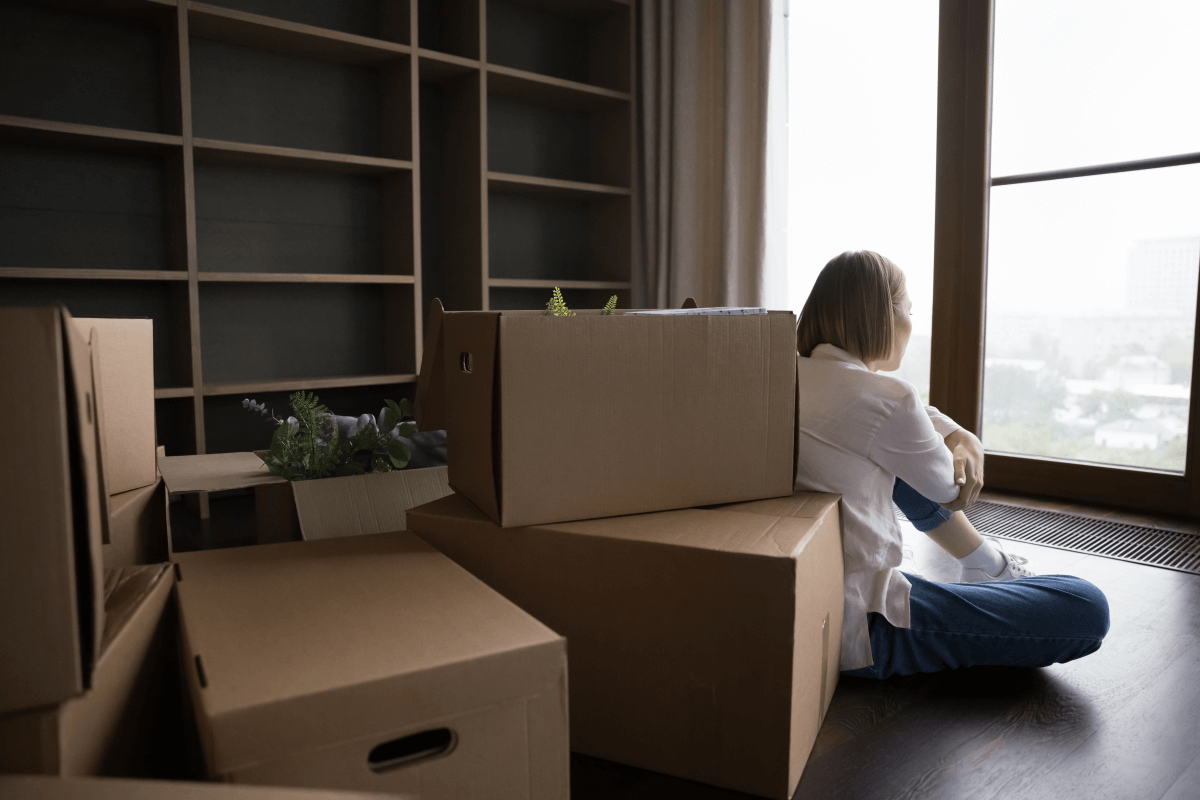
Relocating after divorce can feel stressful and disruptive. This guide provides all the practical and emotional preparation to make the best of moving
Divorcees often find that the end of a marriage is also the
start of a redefinition of daily life. Relocating after divorce can feel
disruptive at first, yet it offers a rare chance to reset routines,
surroundings, and emotional patterns in ways that actively support stability
and well-being. A move is not just logistical; it can be a deliberate step
toward a calmer, more grounded future shaped on your terms.
Key Takeaways
·
A new location can reduce emotional triggers
tied to the past and support steadier routines
·
Thoughtful choices about space, community, and
habits help restore balance after upheaval
·
Relocation can spark personal growth by
encouraging new skills, relationships, and confidence
Creating Stability Through a Fresh Environment
A home influences how safe, focused, and hopeful you feel
each day. After divorce, familiar rooms can carry emotional residue that keeps
stress close to the surface. Choosing a new place allows you to design surroundings
that promote calm, predictability, and a sense of control, whether that
means quieter streets, better light, or proximity to supportive people.
Before making decisions, it helps to reflect on what
stability looks like for you now. Needs often change after divorce, and a home
that once worked may no longer fit. A smaller space, a different neighborhood
rhythm, or access to green areas can all subtly reinforce emotional steadiness.
Ways Relocation Can Support Emotional Well-Being
The transition into a new home often brings relief simply by
interrupting old patterns. It also opens doors to healthier daily habits that
were harder to maintain before.
Many people notice the following shifts once they settle in:
·
Reduced exposure to places and routines that
trigger grief or conflict
·
Clearer boundaries between past and present
chapters of life
·
Renewed motivation to establish healthy
schedules and self-care
rituals
Settling In With Purpose
Here's how to shape your new space in ways that support
stability and growth:
·
Choose a location that aligns with your daily
energy levels and responsibilities
·
Arrange furniture
to encourage rest, focus, and ease of movement
·
Establish morning and evening routines within the
first few weeks
·
Identify nearby resources such as parks, gyms,
or support groups
·
Personalize slowly, allowing the space to evolve
with you
When a Move Sparks Career and Personal Renewal
Relocation after divorce often coincides with deeper
questions about purpose, including work. A change in scenery can highlight
misalignment in a career that once felt tolerable but now feels draining. Many
people find that exploring new professional paths reenergizes personal growth,
aligns work with values, and improves overall wellness.
This shift is especially relevant as employment University of
Phoenix research shows rising burnout and dissatisfaction, and as employers
increasingly prioritize external hiring over developing existing talent, which
deepens skills gaps and limits growth for workers. These studies point to why
retraining or education can be a powerful complement to relocation.
Comparing Old and New Living Situations
Looking at the contrast between where you were and where you
are going can clarify what truly matters. The table below highlights common
shifts people experience.
|
Aspect |
Before the Move |
After the Move |
|
Emotional Tone |
Tied to shared memories |
More neutral or hopeful |
|
Daily Routine |
Habitual, sometimes stagnant |
Intentional and flexible |
|
Sense of Control |
Limited by past decisions |
Strengthened by choice |
Growth That Comes From Starting Over
Relocating requires adaptability, from learning a new area
to building
fresh connections. These small challenges accumulate into confidence and
resilience. Over time, navigating a new environment can help you trust your
ability to handle change and uncertainty.
Moving FAQs
Before closing this chapter, many divorcees want clarity on
practical concerns that affect long-term satisfaction. The following questions
address common considerations during this stage.
Is moving right after divorce a healthy choice?
It can be, especially if the current environment feels
emotionally heavy or unsafe. Timing matters, so giving yourself space to grieve
while planning carefully is important. A thoughtful move can support healing
rather than distract from it.
How do I choose a location that supports stability?
Focus on daily life rather than symbolism. Access to work,
support networks, and restorative spaces often matters more than making a
dramatic change. Stability grows from consistency and ease.
Will relocation help me feel less lonely?
A new place does not automatically erase loneliness, but it
can create opportunities to form new connections. Being proactive about
community involvement makes a significant difference. Over time, familiarity
can replace isolation.
How can I make a new home feel like mine?
Start with small, meaningful choices rather than rushing to
fill the space. Colors, textures, and routines that reflect your current values
help establish belonging. Ownership grows through use and care.
What if I regret the move?
Doubt is common during transitions, especially after
divorce. Give
yourself time to adjust before judging the decision. Most people find that
clarity increases once routines settle.
Conclusion
Relocating after divorce is not about running from the past;
it is about choosing conditions that support who you are becoming. A new home
can offer stability, room to heal, and space for growth when approached with
care. By aligning your environment with your needs, you turn a difficult
transition into a foundation for a steadier, more fulfilling life.